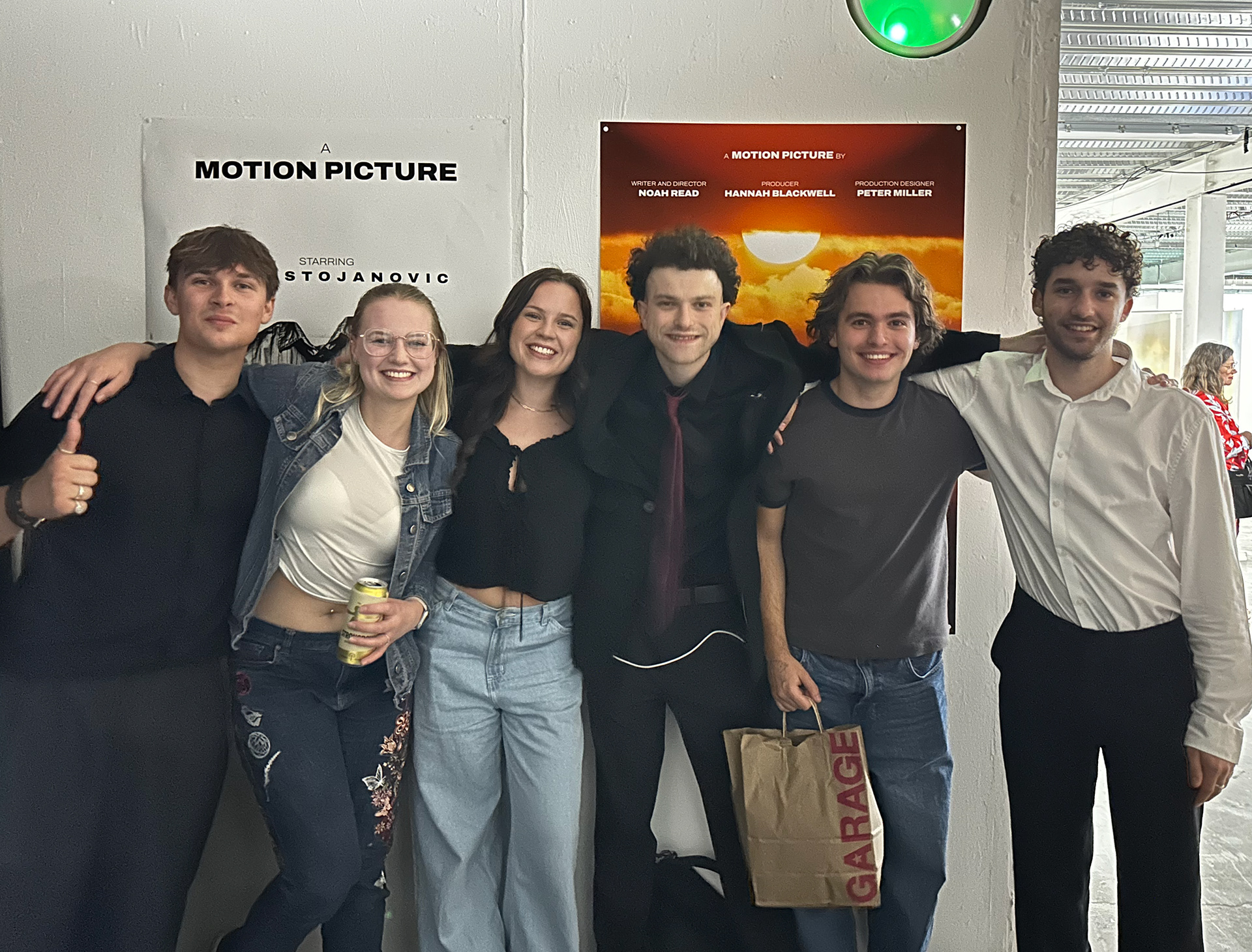
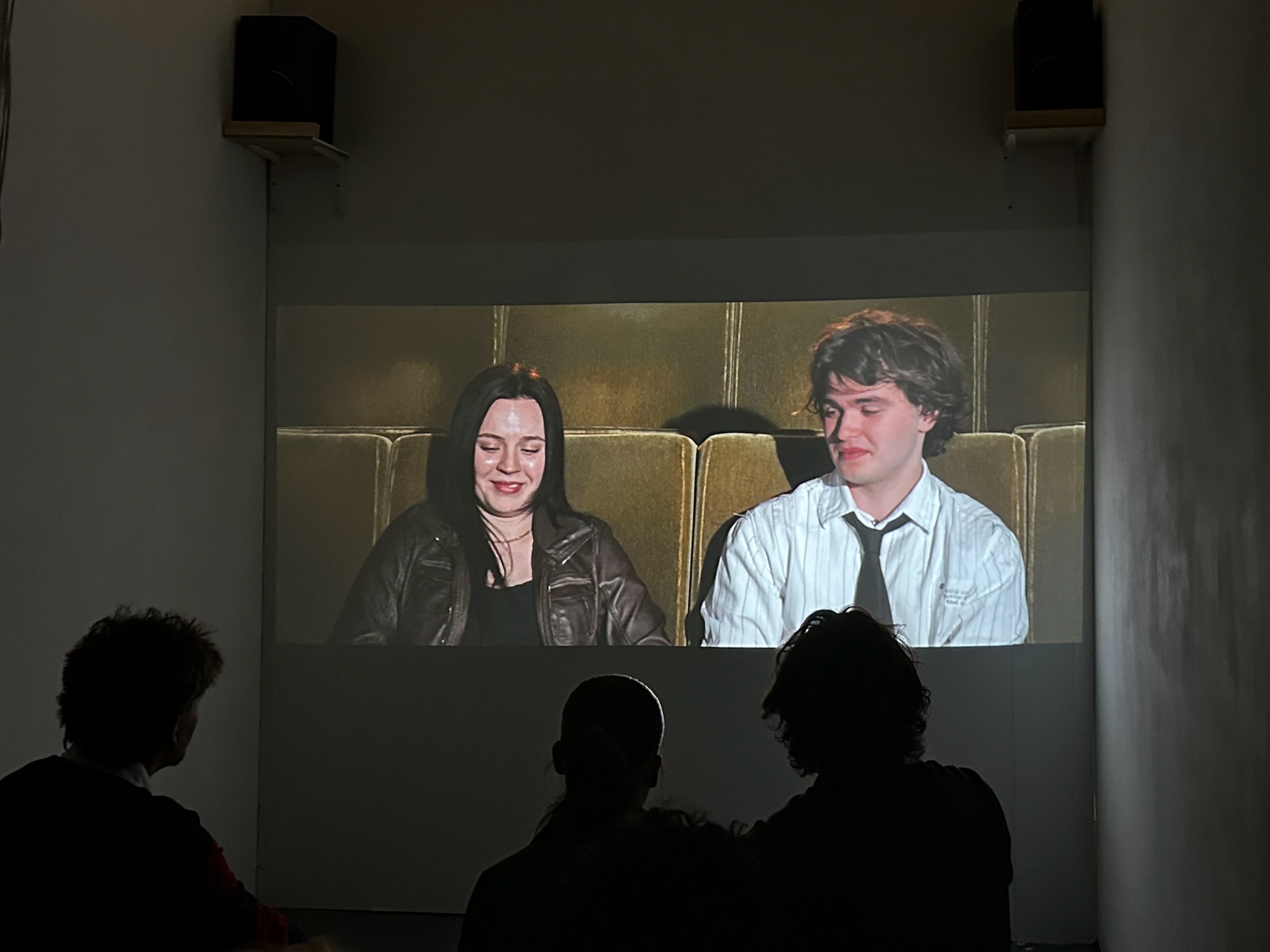
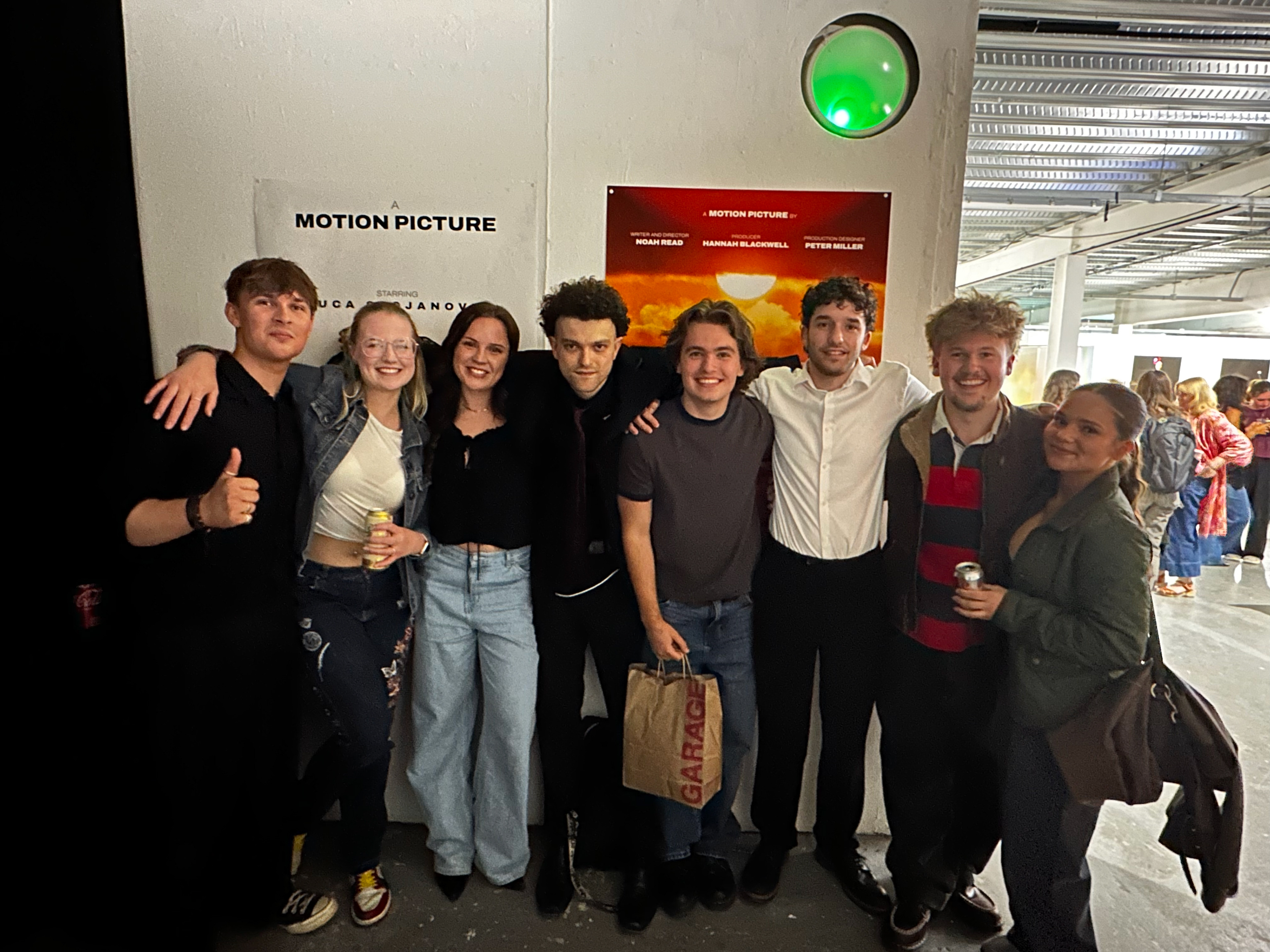
JULY 2026.
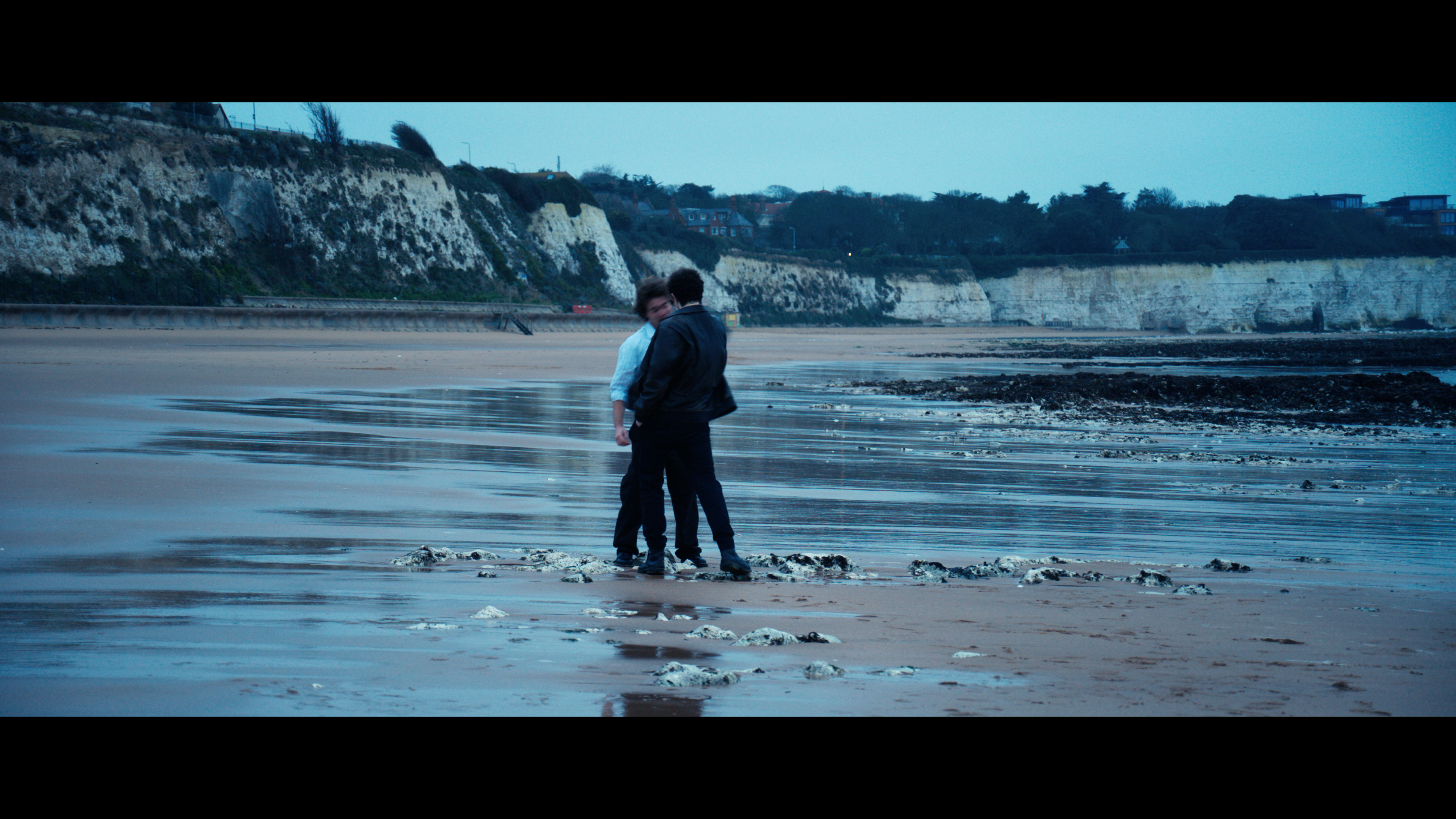
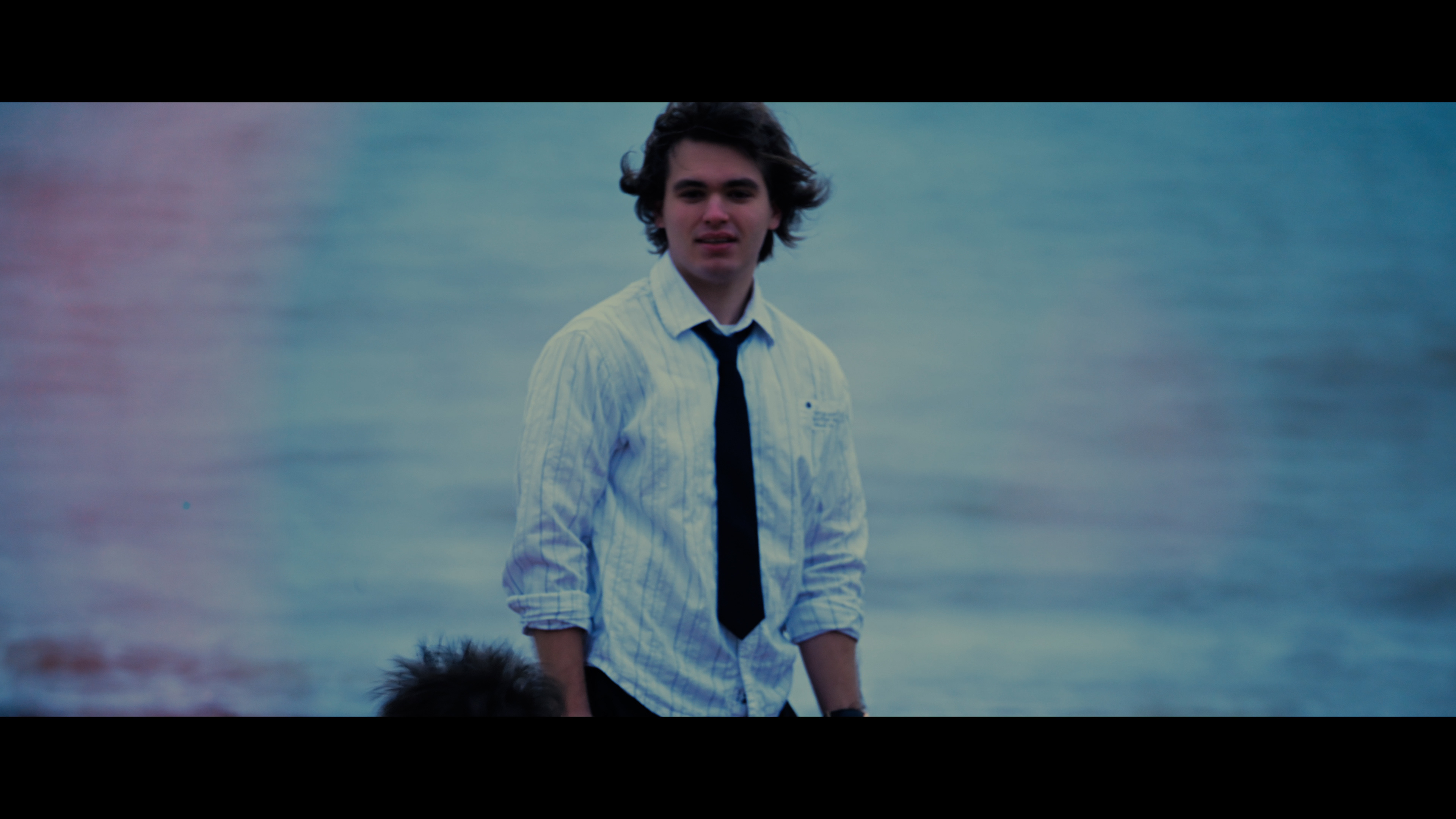
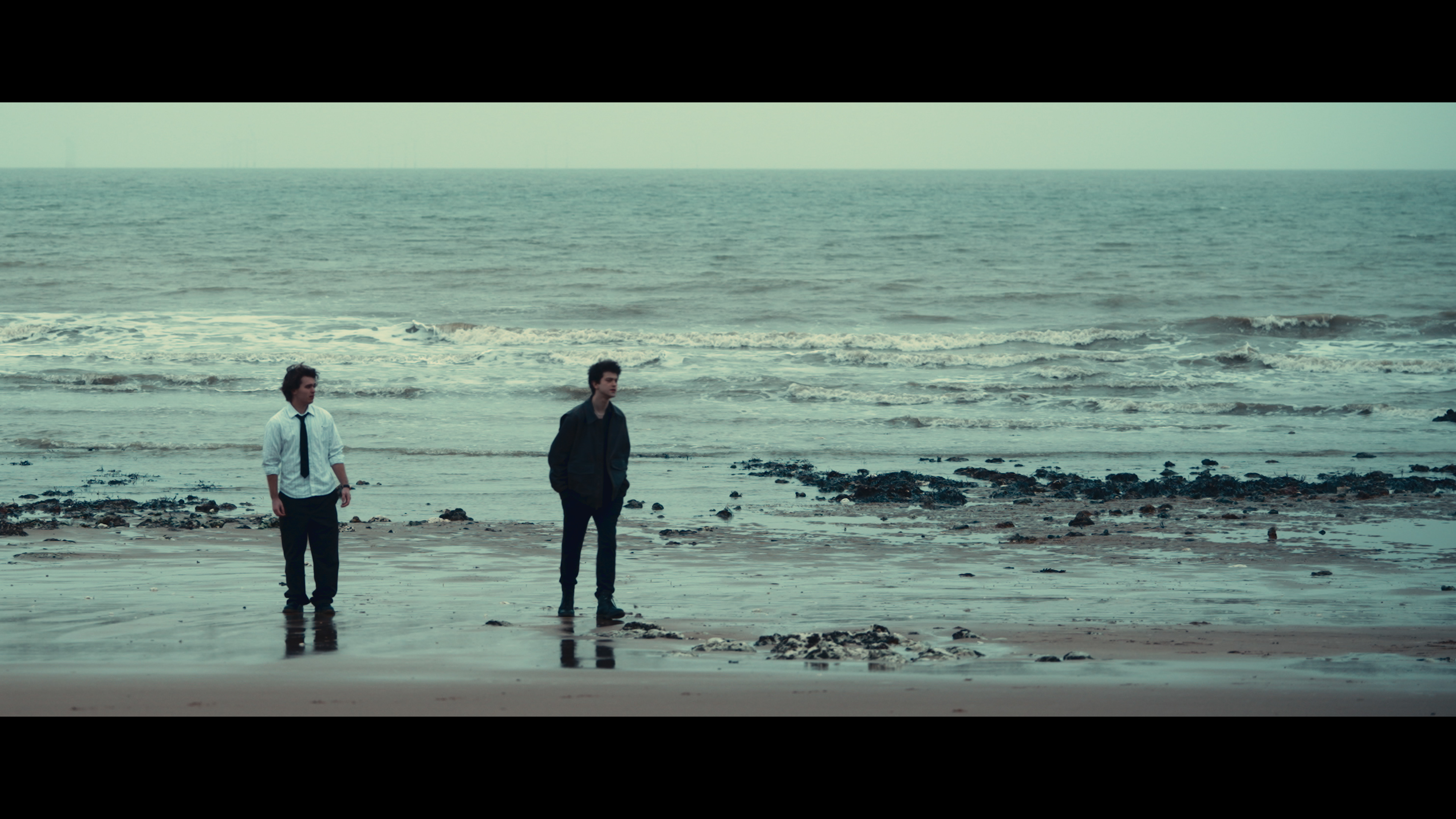
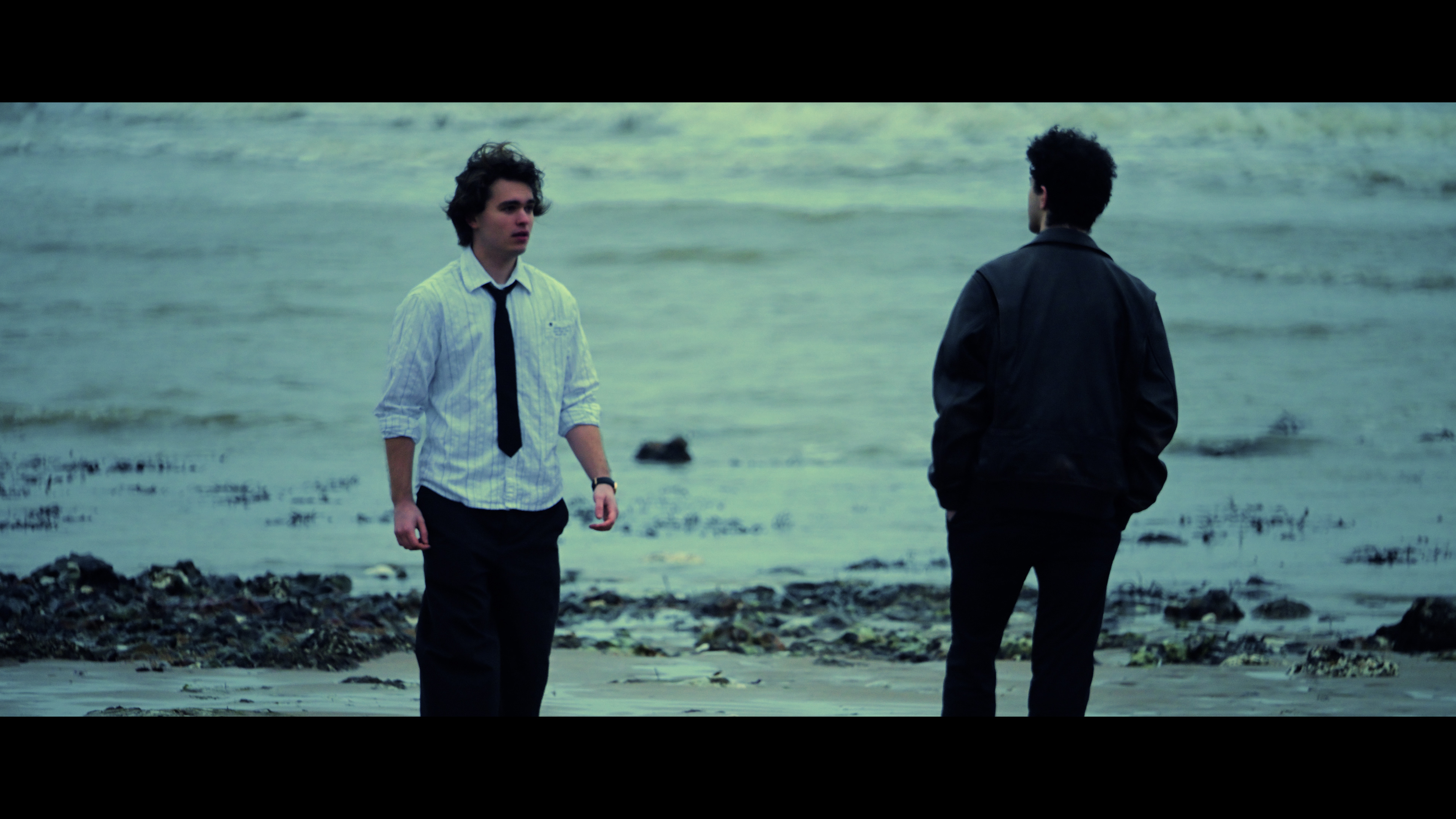
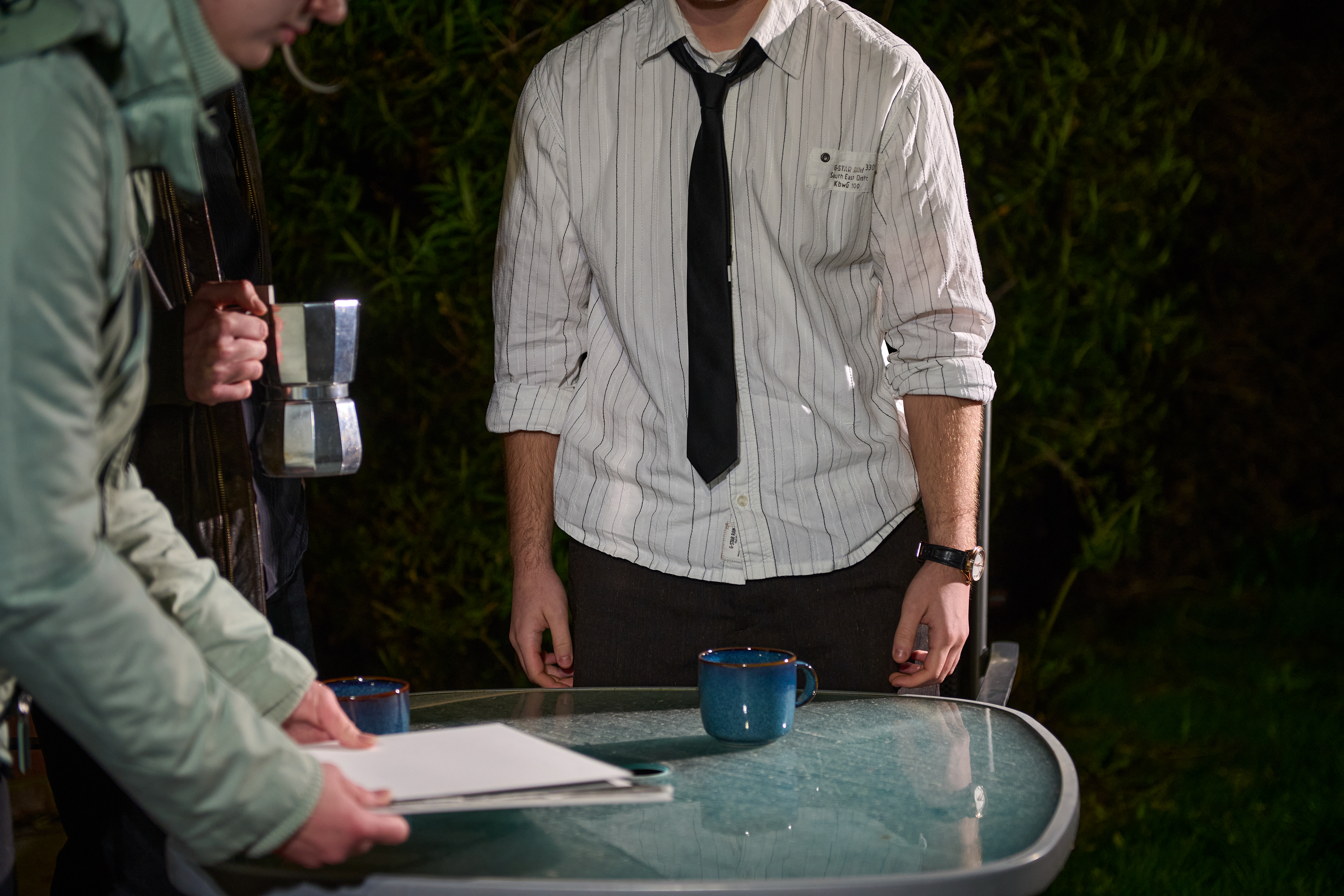
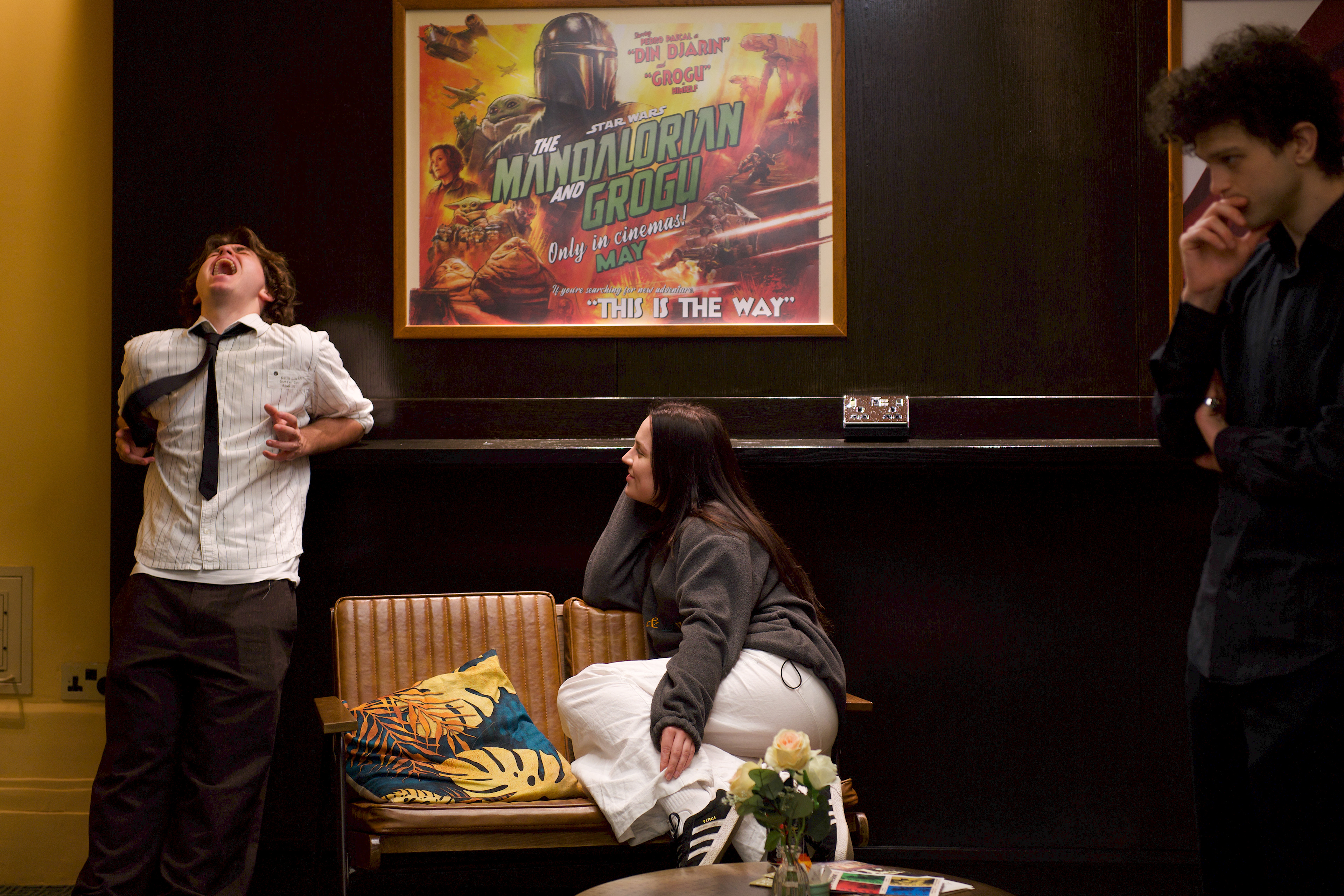
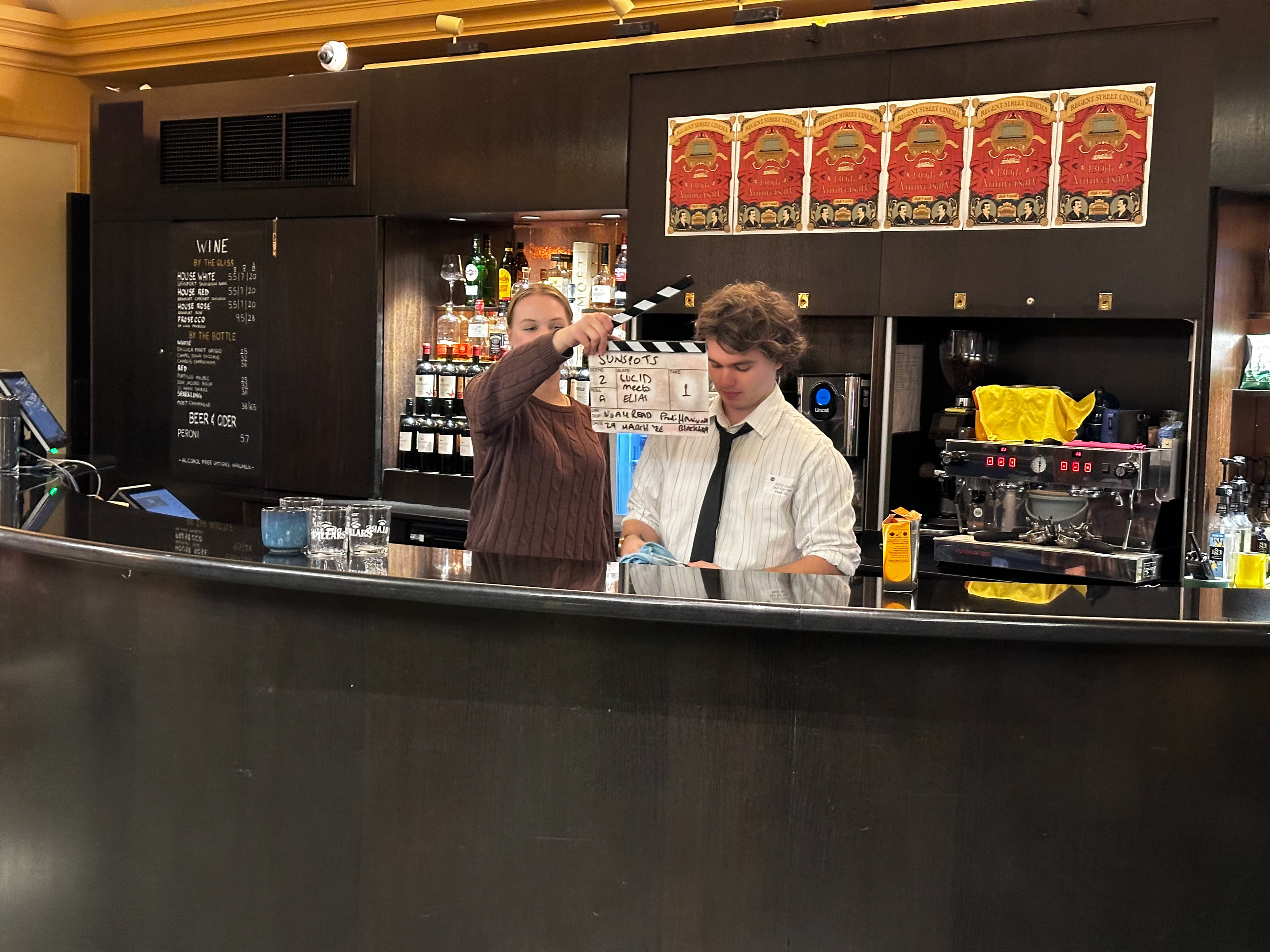
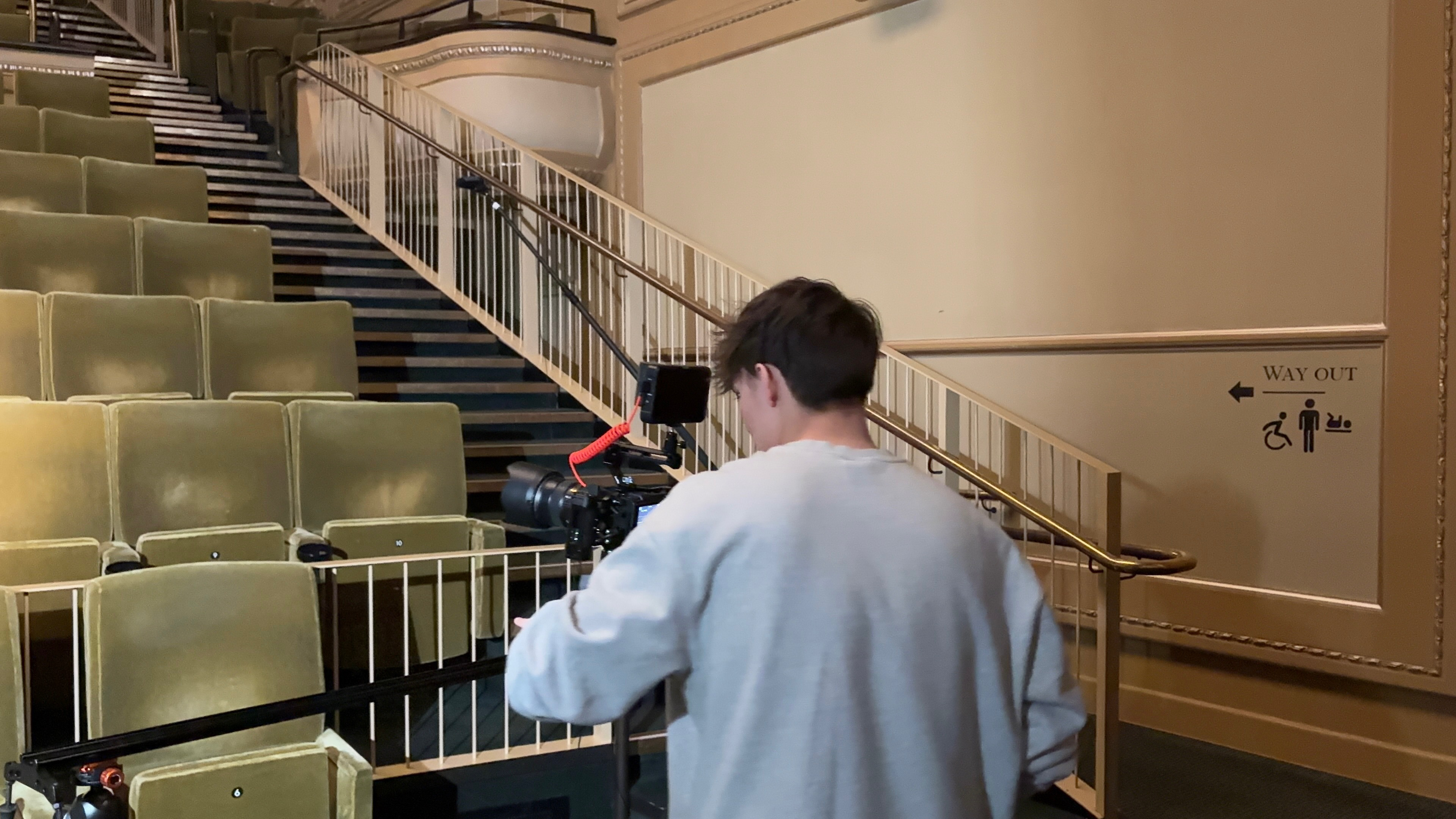
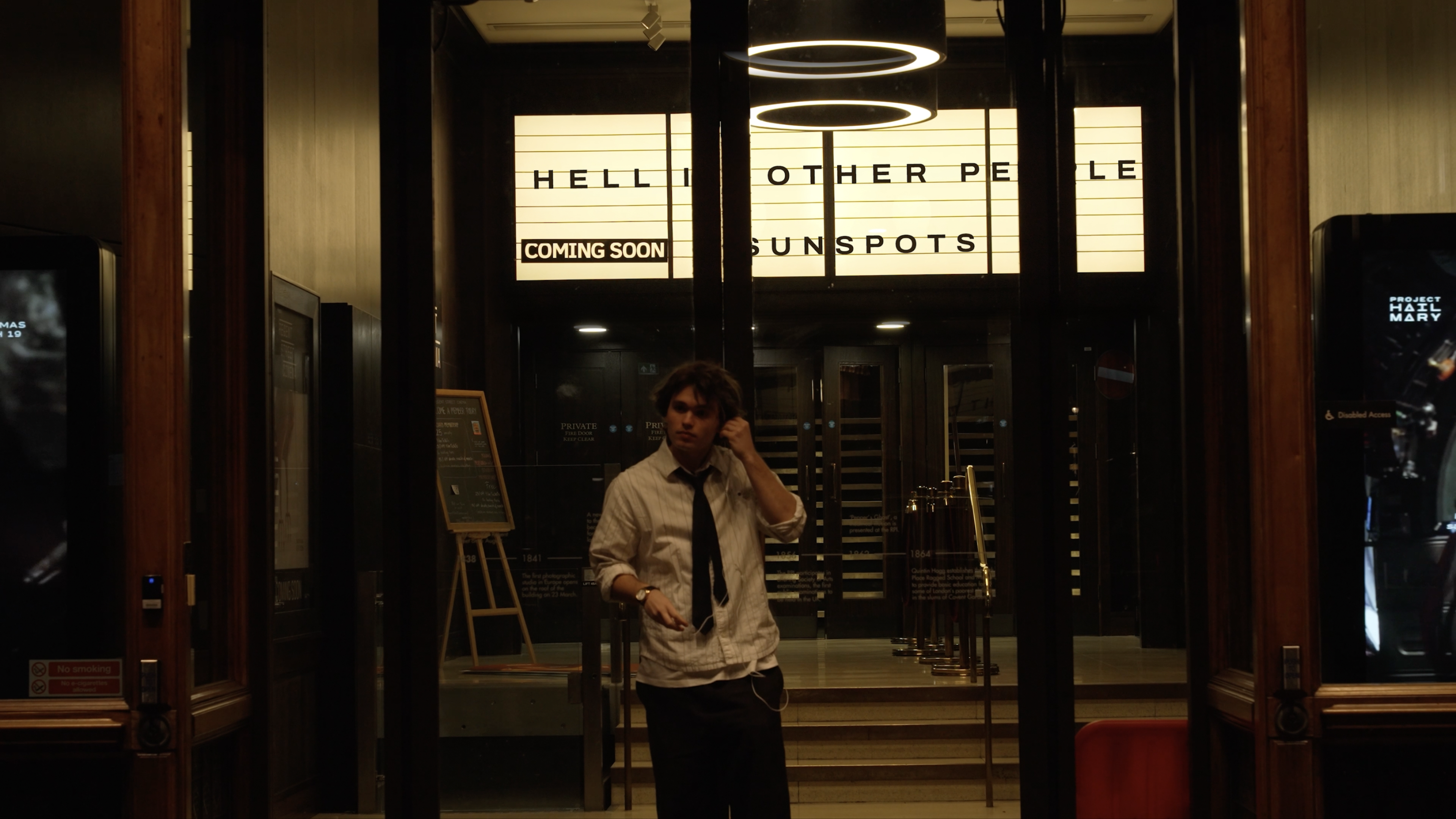
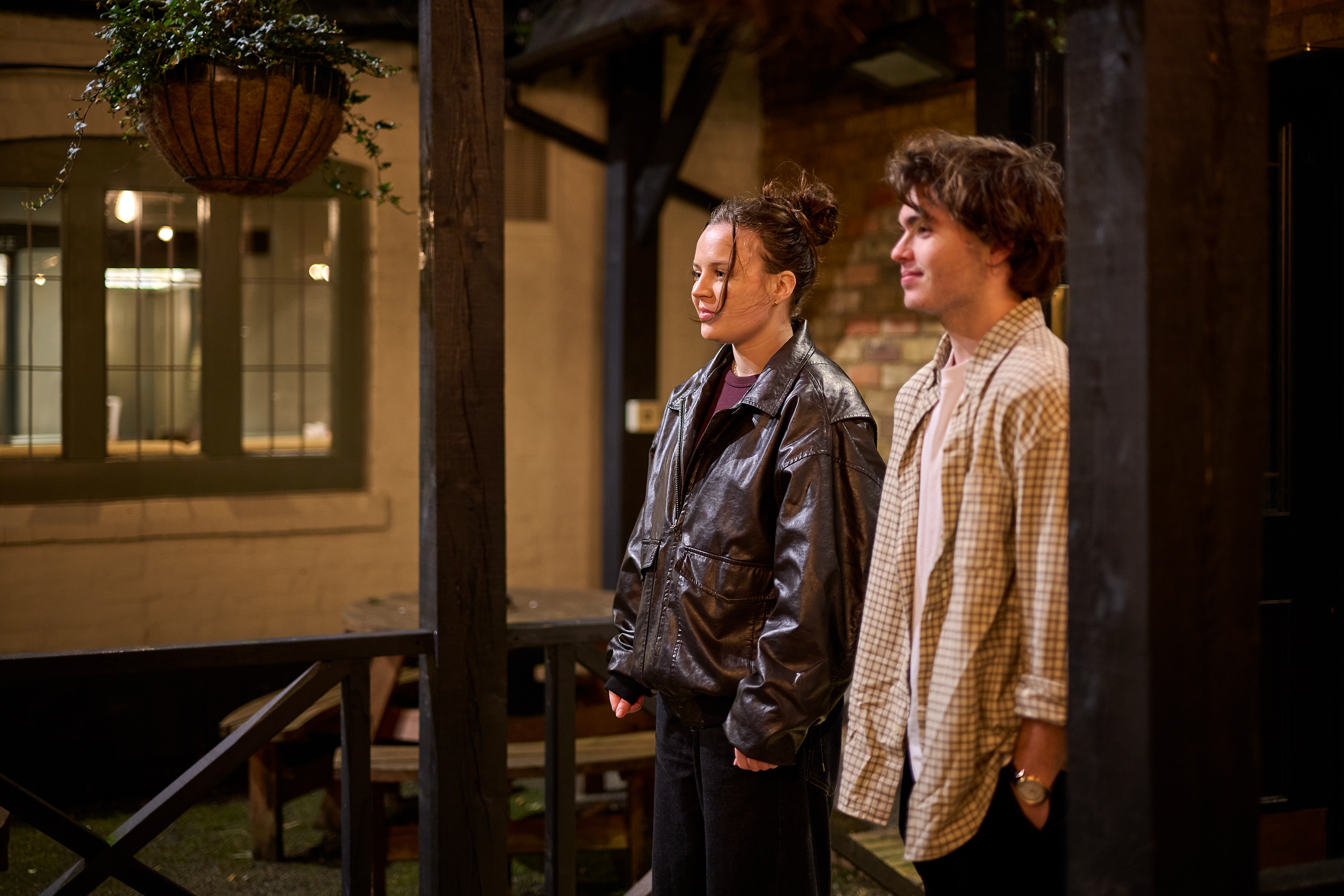
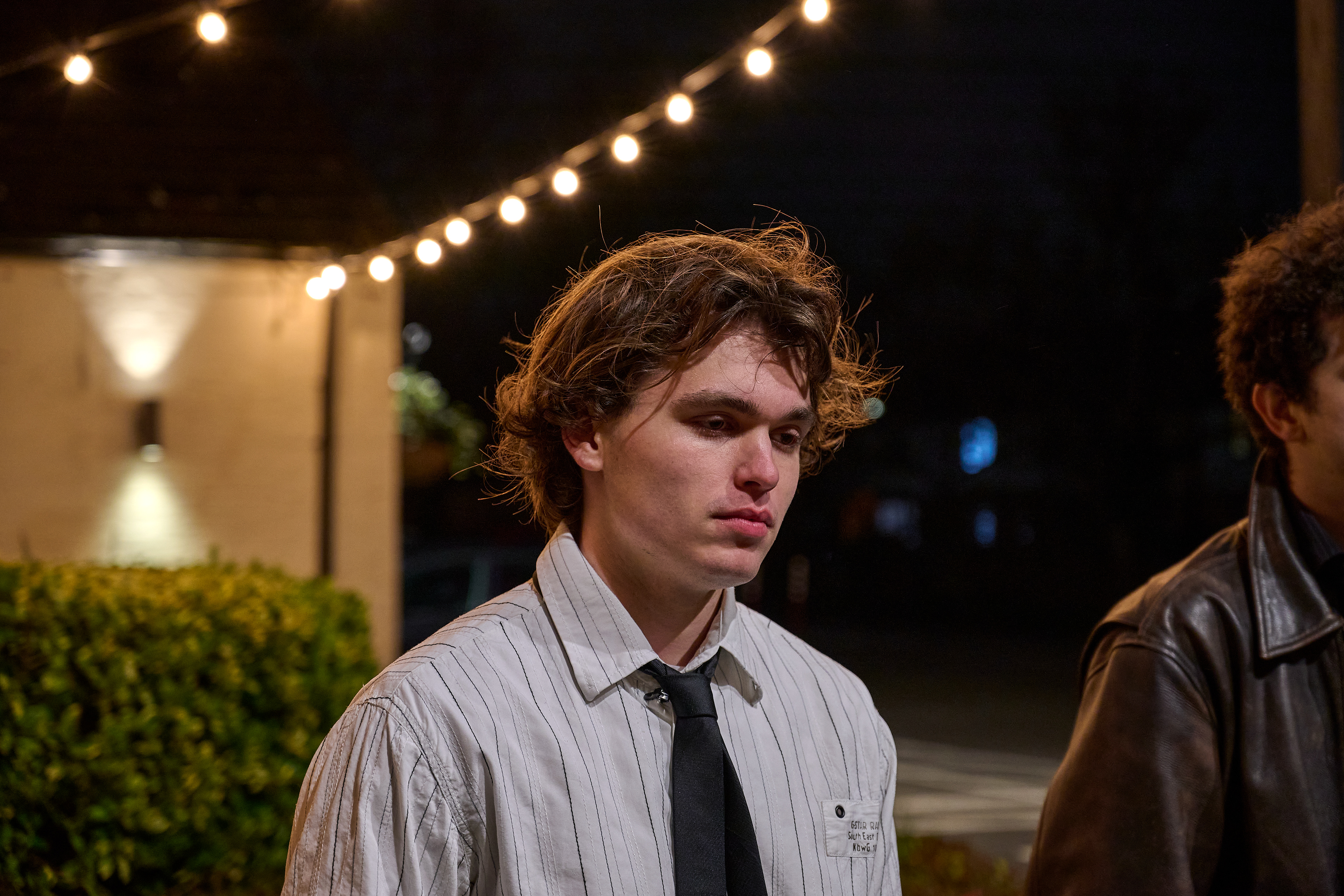
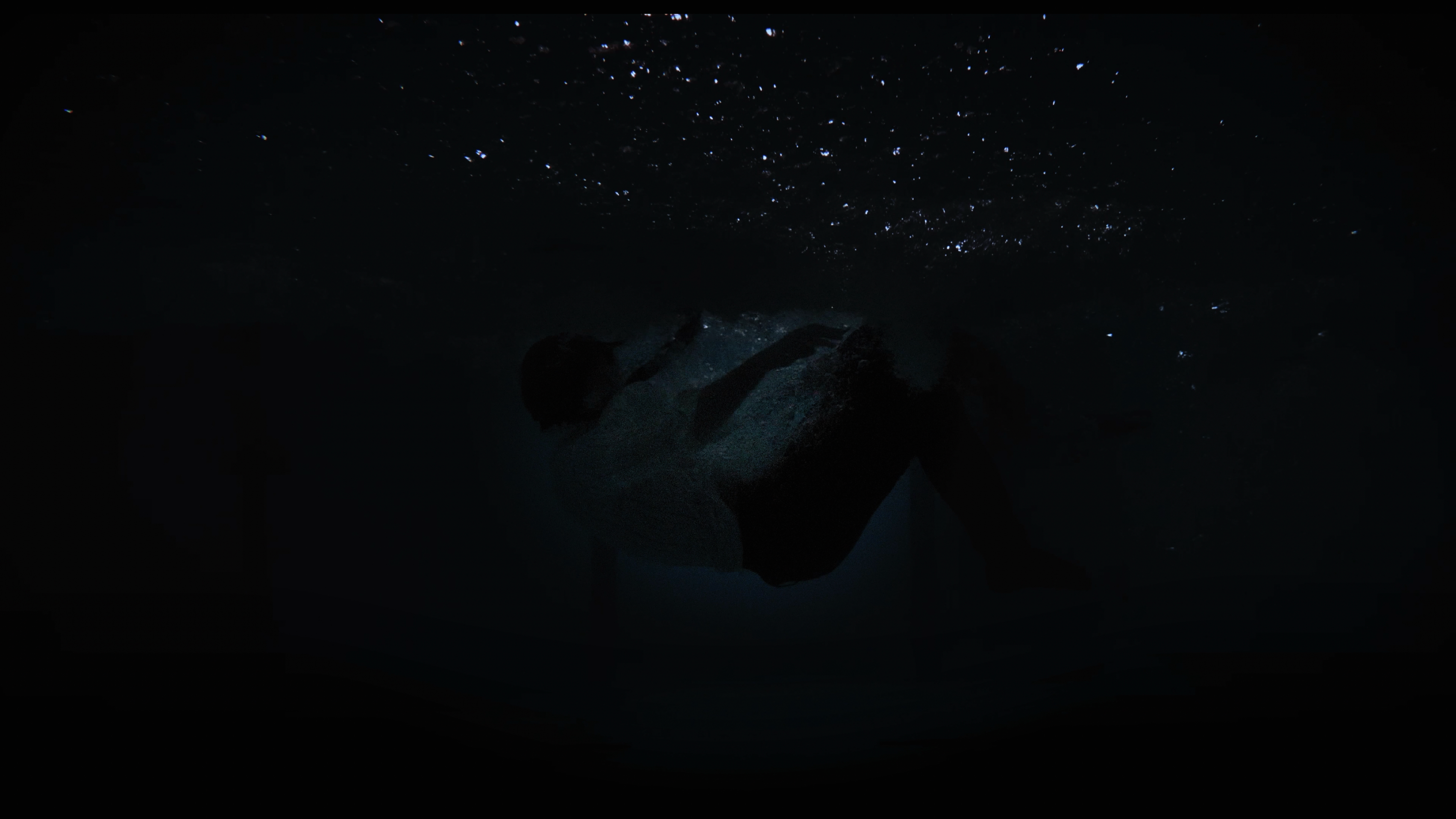
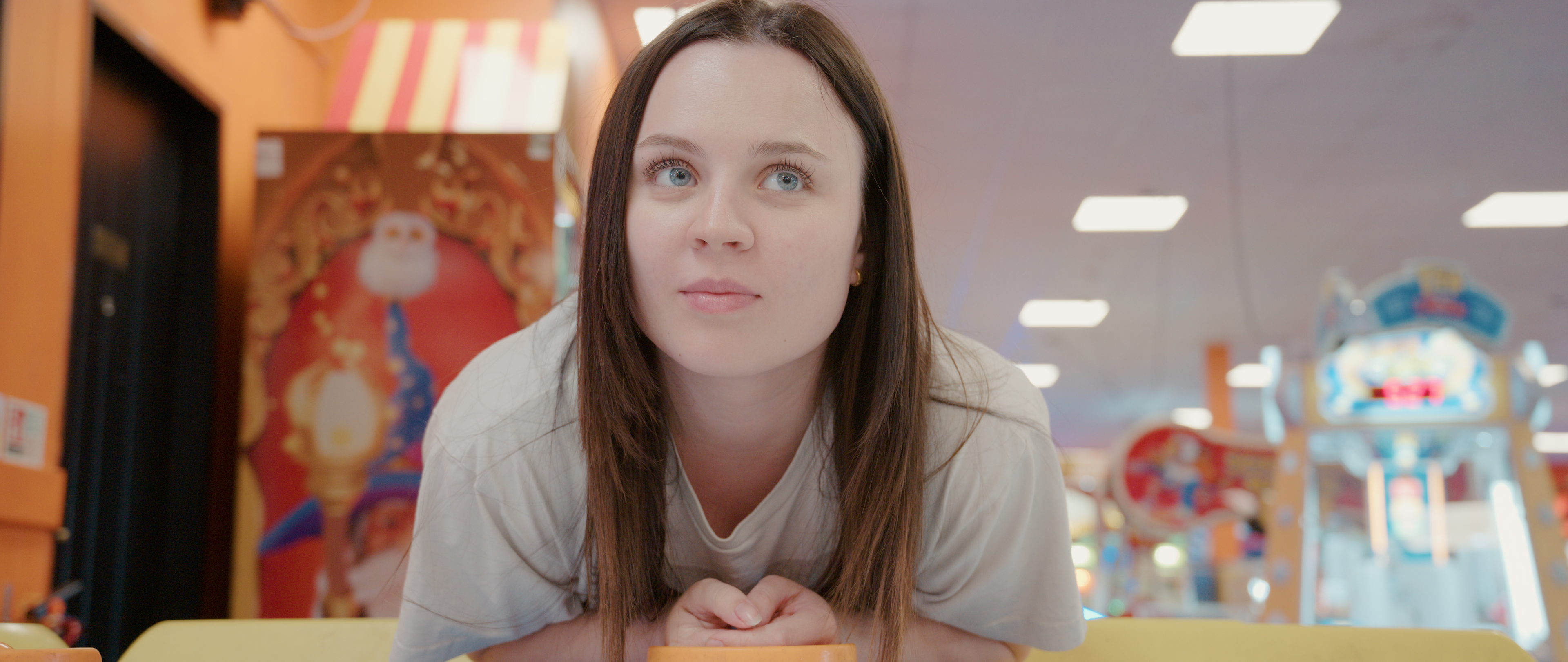
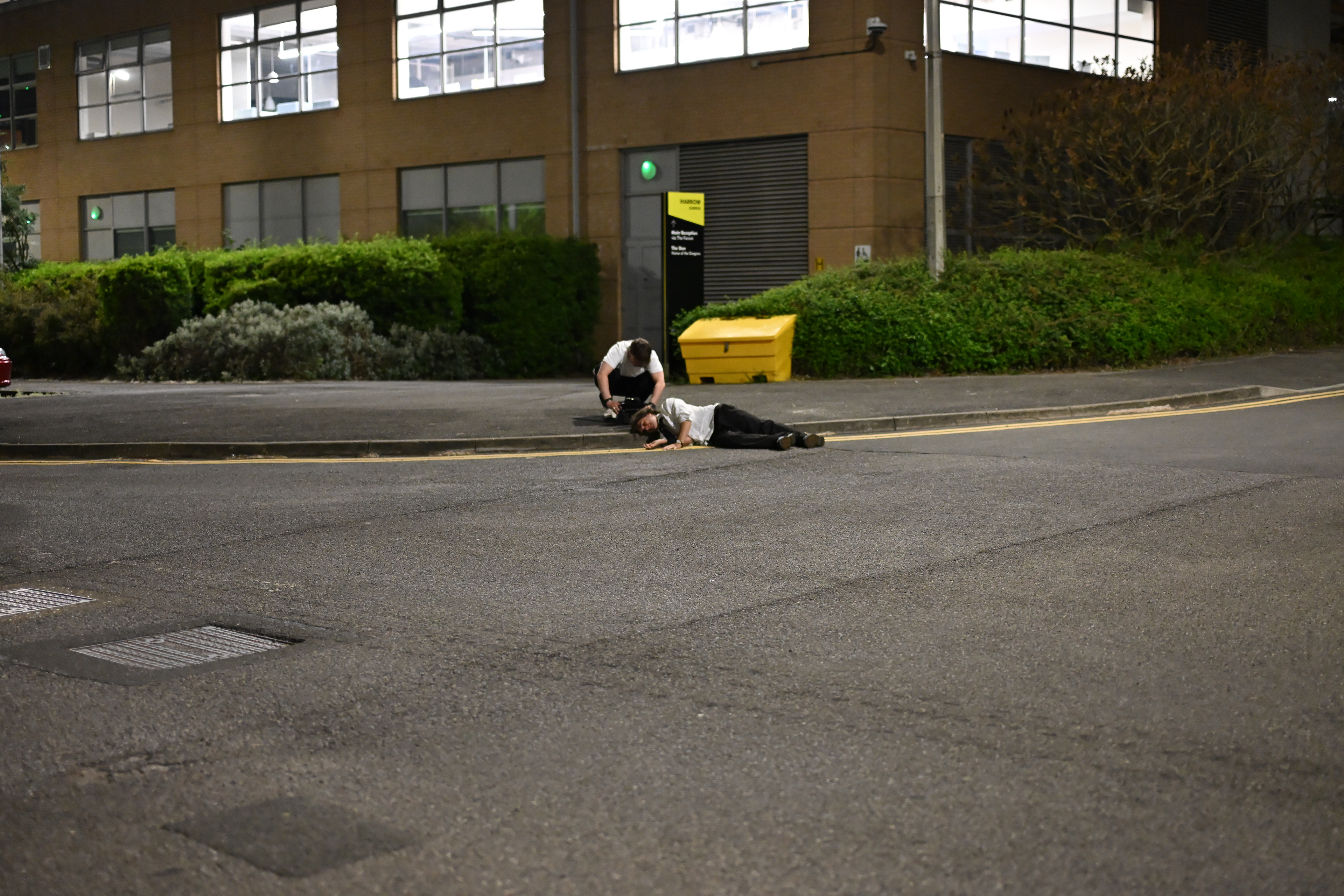
Sunspots became a project defined as much by adaptation and experimentation as by its original concept. Despite significant technical and logistical challenges, the film never lost sight of what first drew us to it: creating dreamlike, psychologically unstable atmospheres through fragmented storytelling and non-naturalistic transitions between scenes.
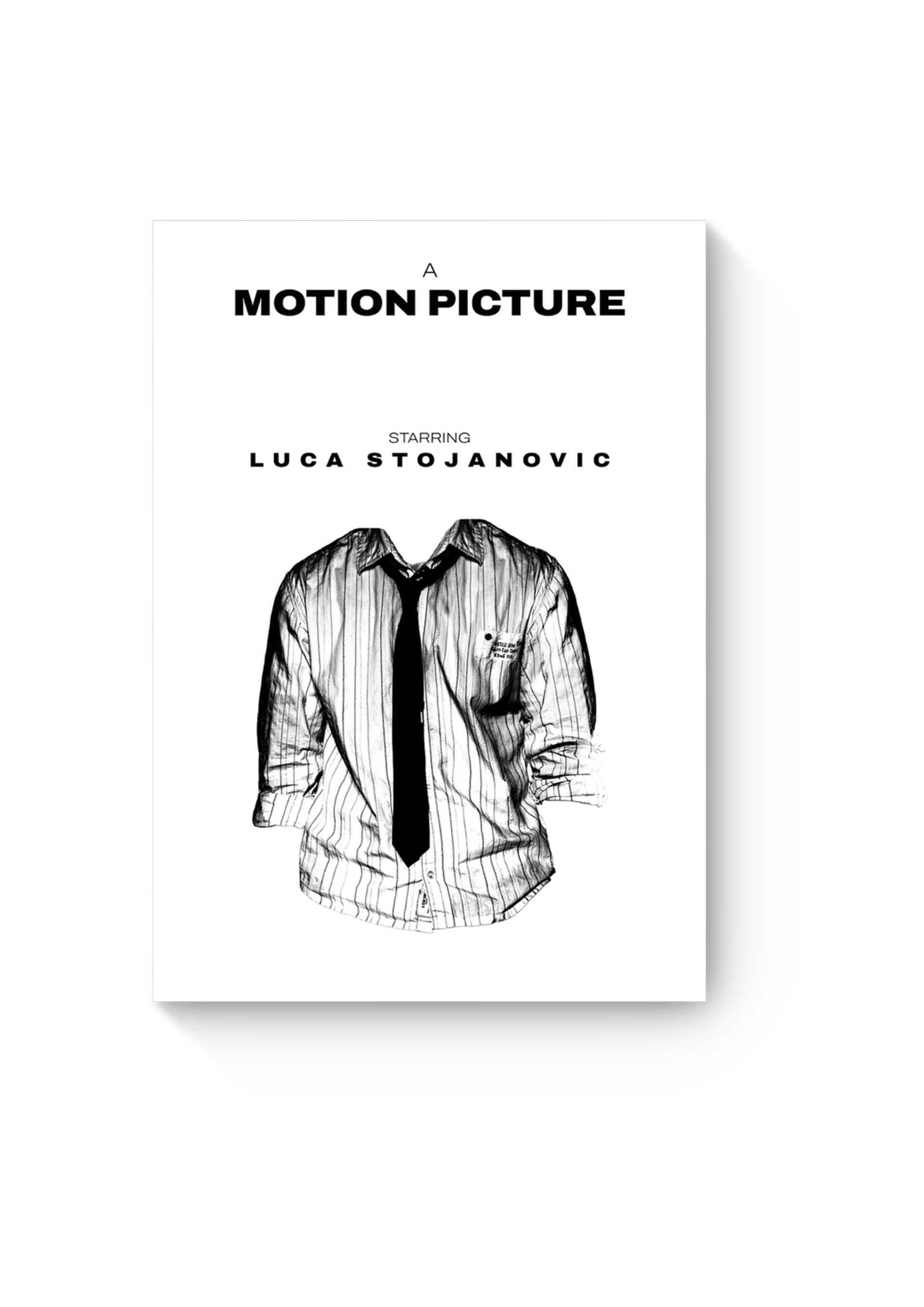
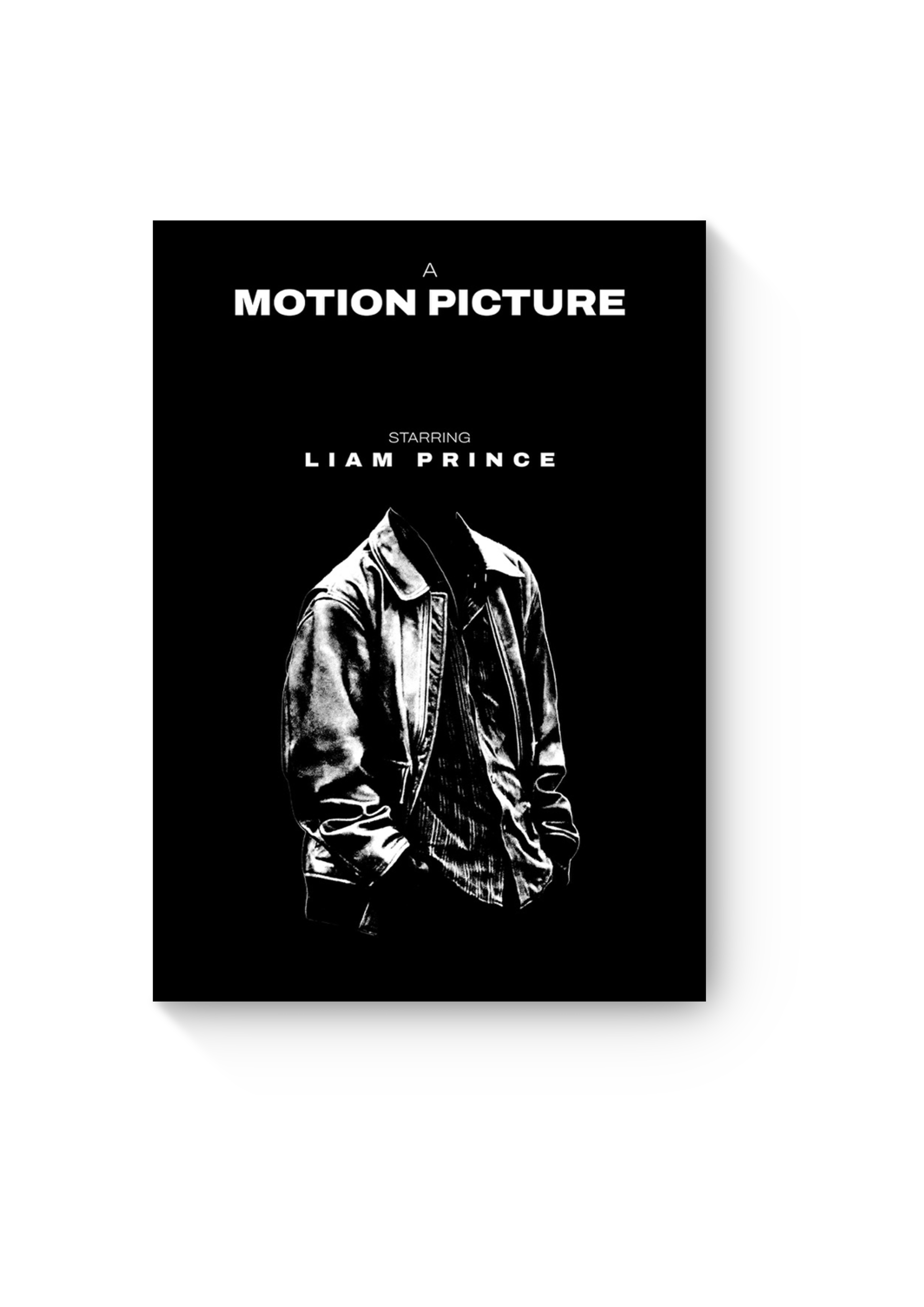
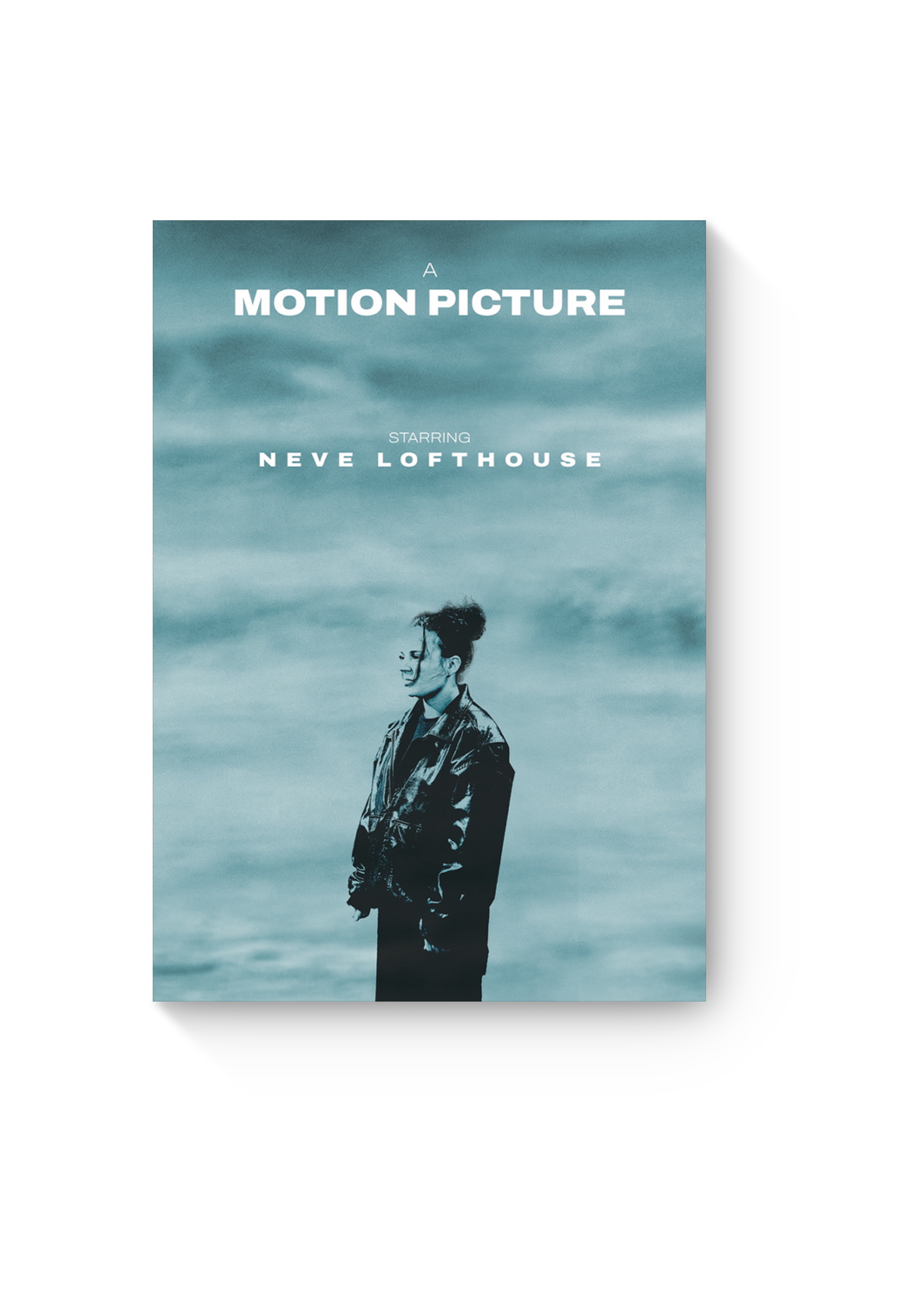
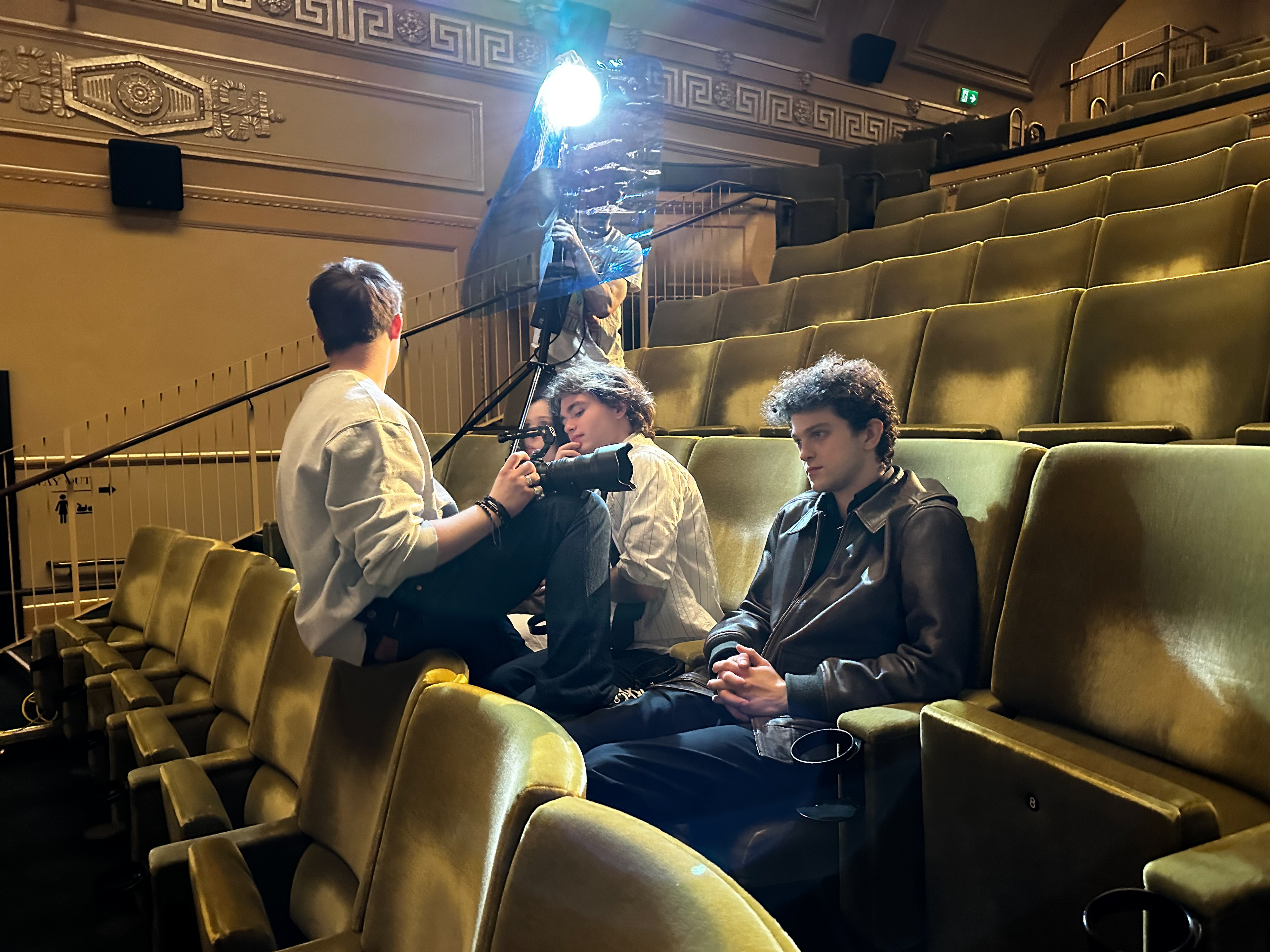
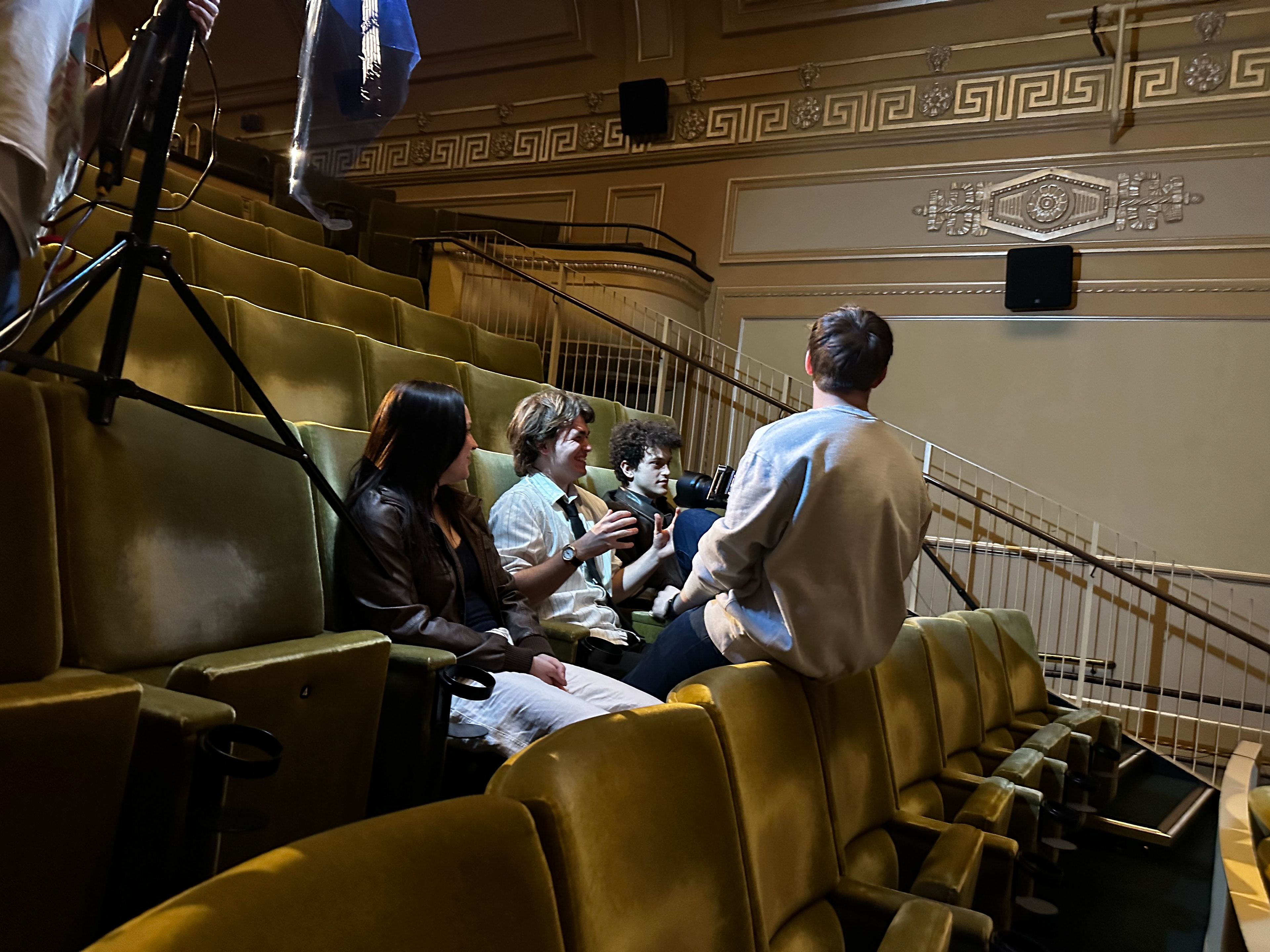
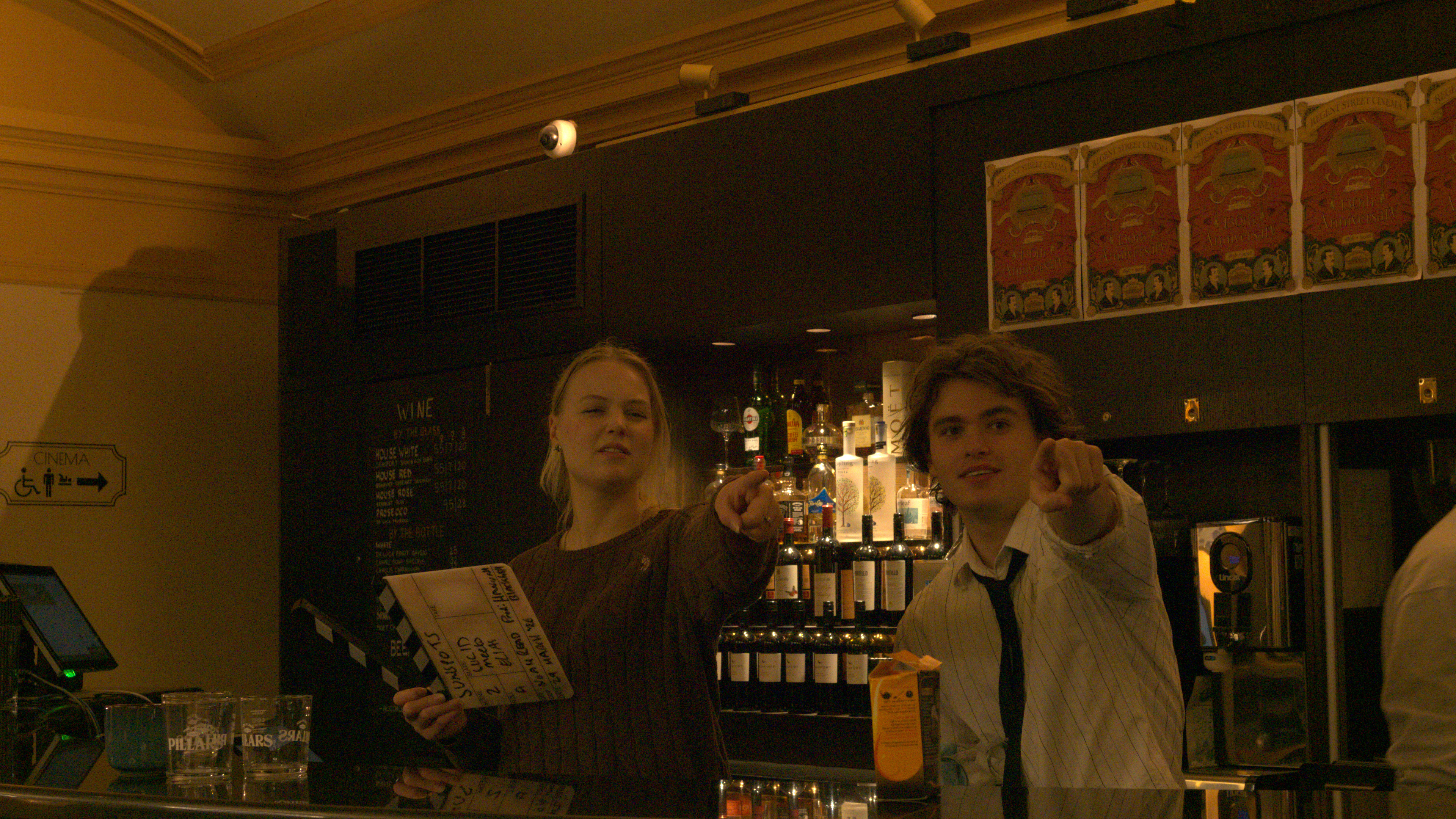
Without Hannah and Peter, this film would not have happened. The indefatigable approach both of them bring to each day is second-to-none, and their creative input and logistical analysis are often all that stood between us and Disaster Village. Equally, Luca, Neve, and Liam were the keystone that held everything together. Their tireless commitment and unparalleled characterisation were instrumental in bringing everything together. Every one of them left their mark on the film, and without their talent, creativity, and willingness to embrace the strange, cold, early, and 'sometimes' chaotic nature of the project, Sunspots would be a very different film. Nothing I can ever do or say will even begin to scratch the surface of how grateful I am for the time and talent from everyone involved in any way.
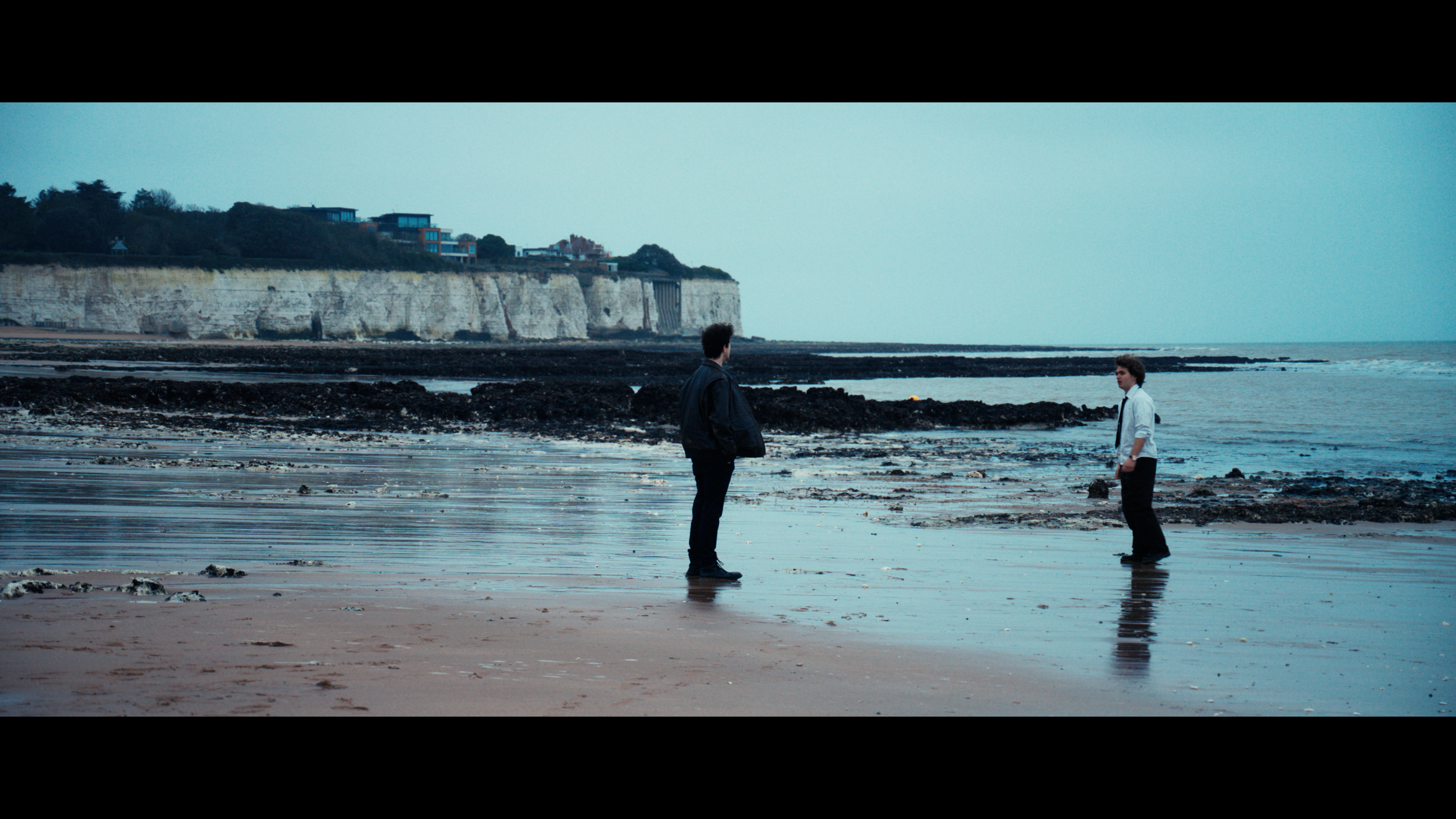
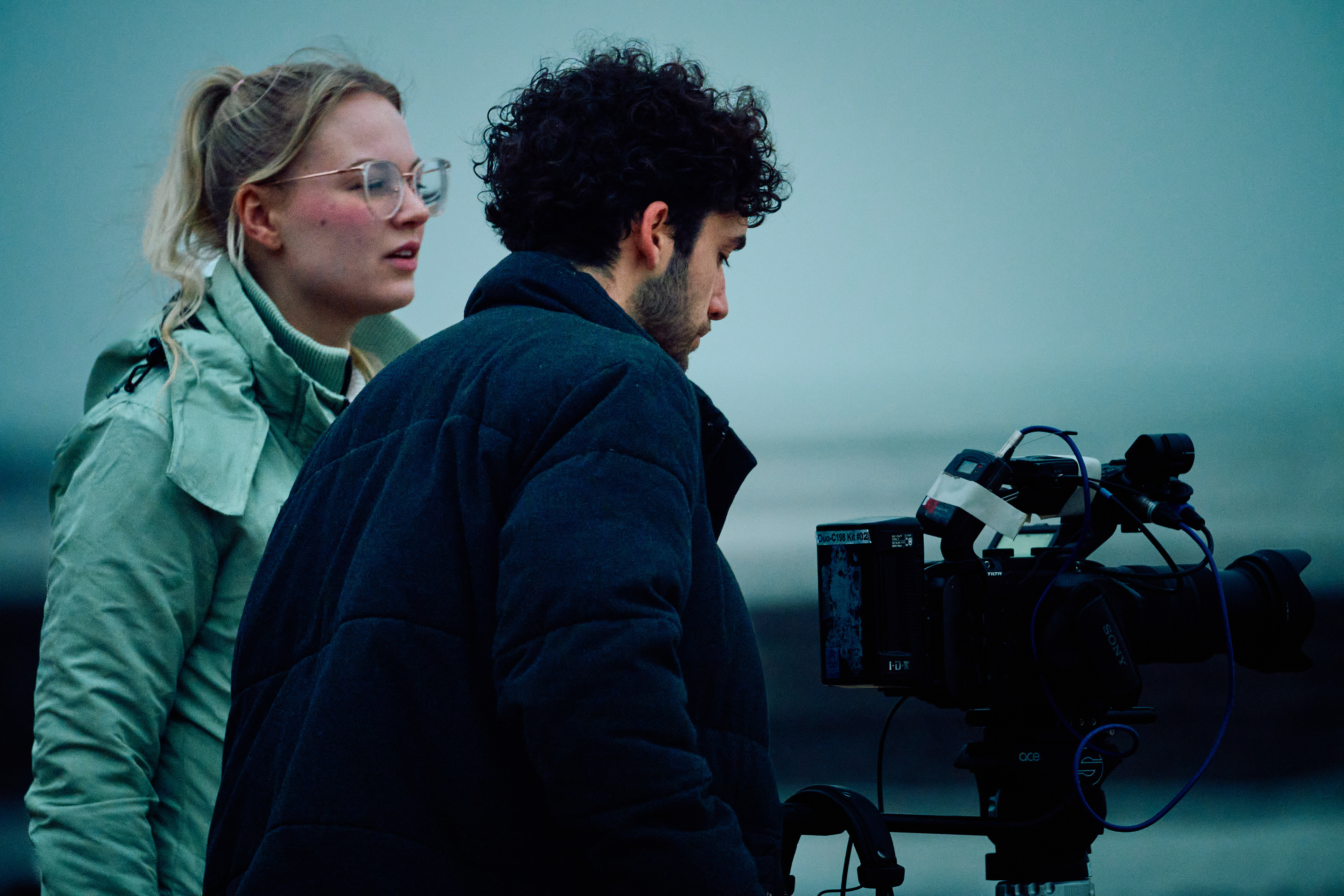
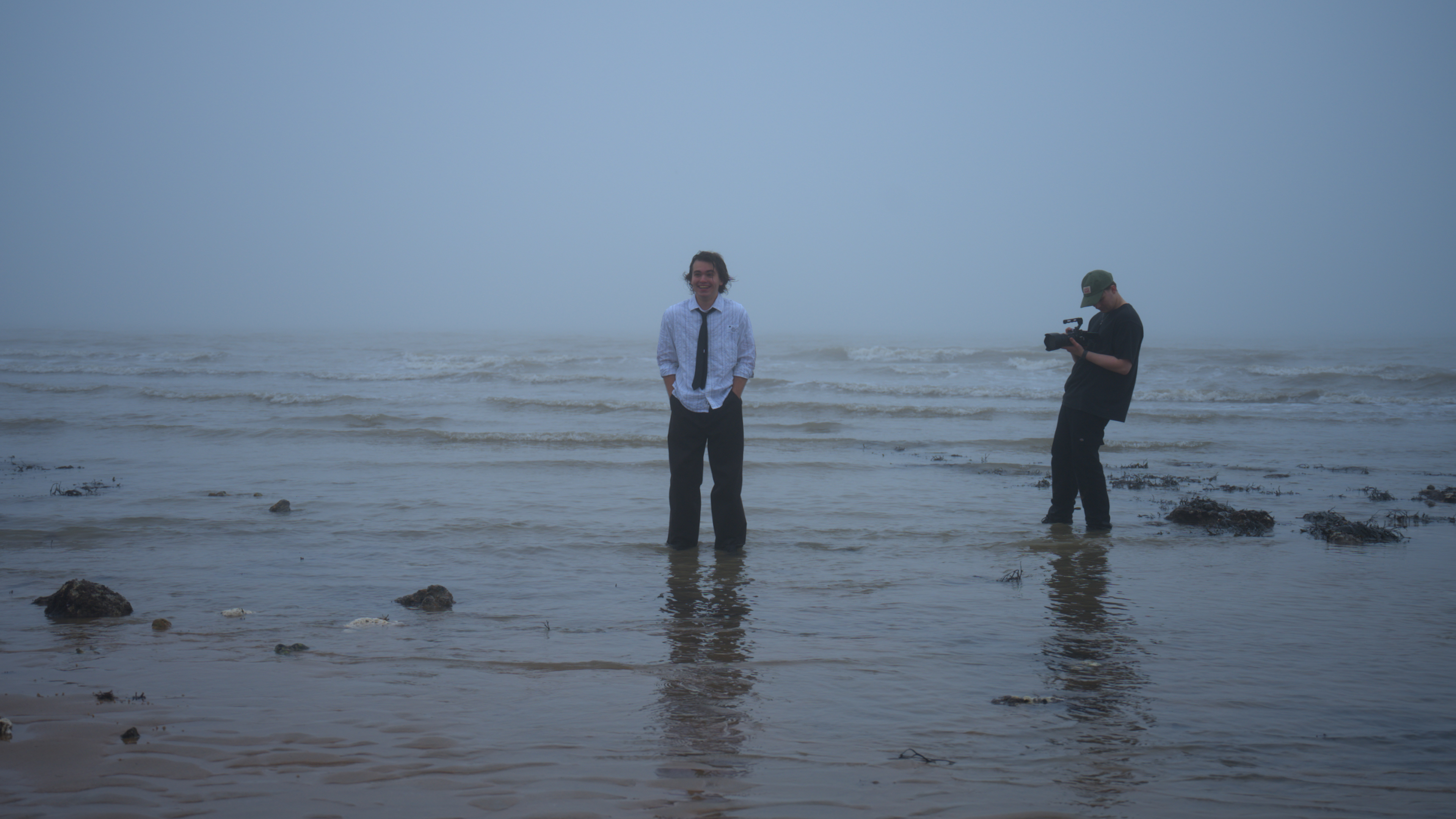
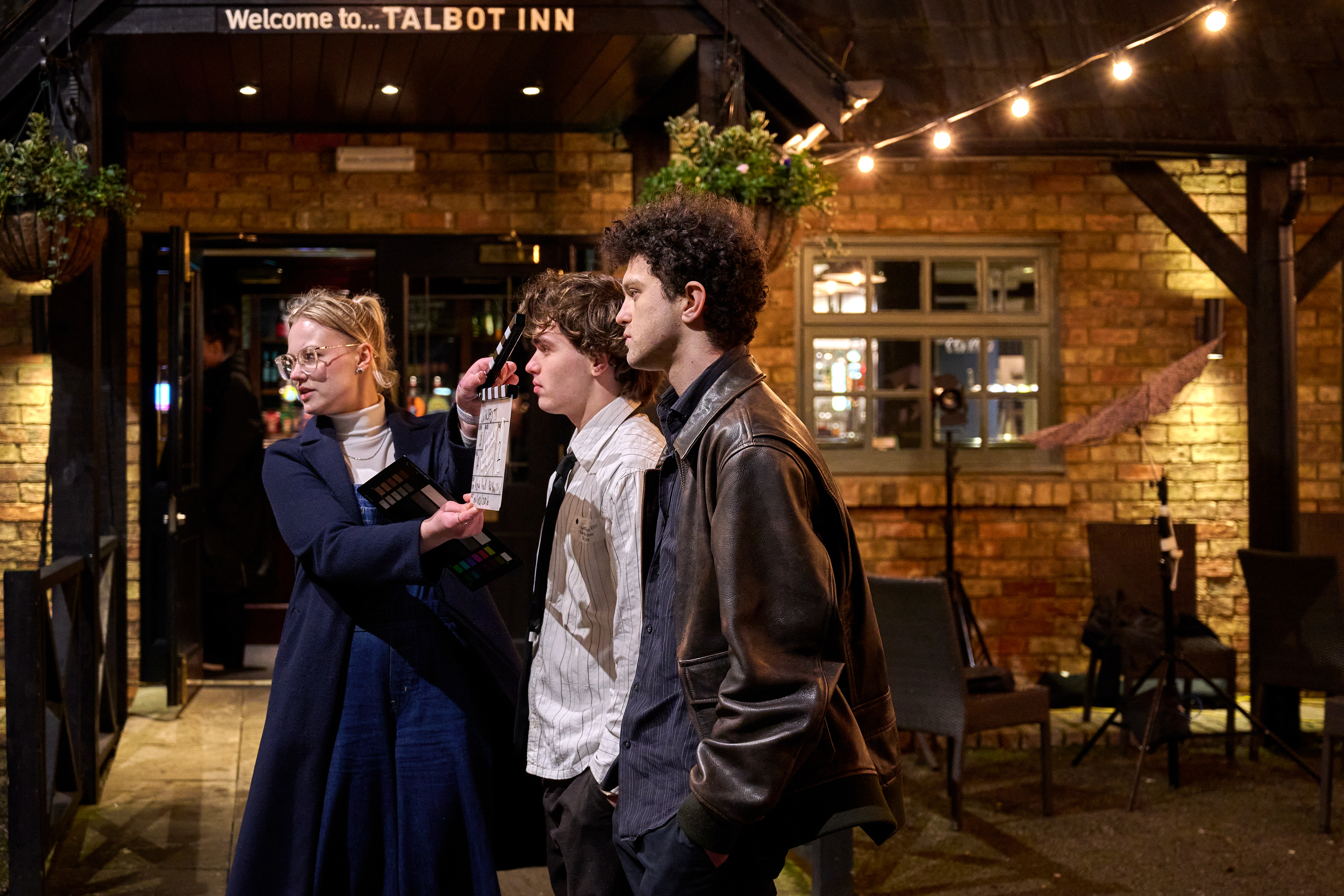
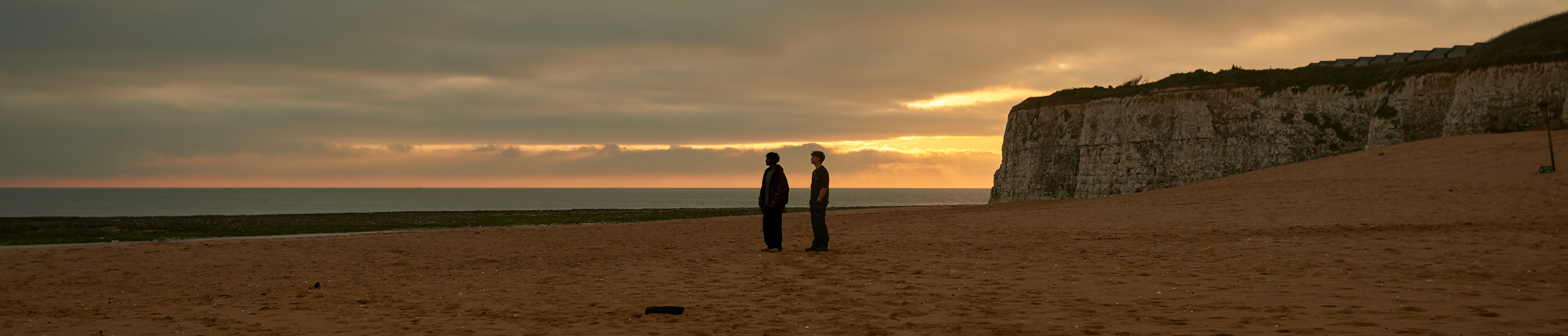
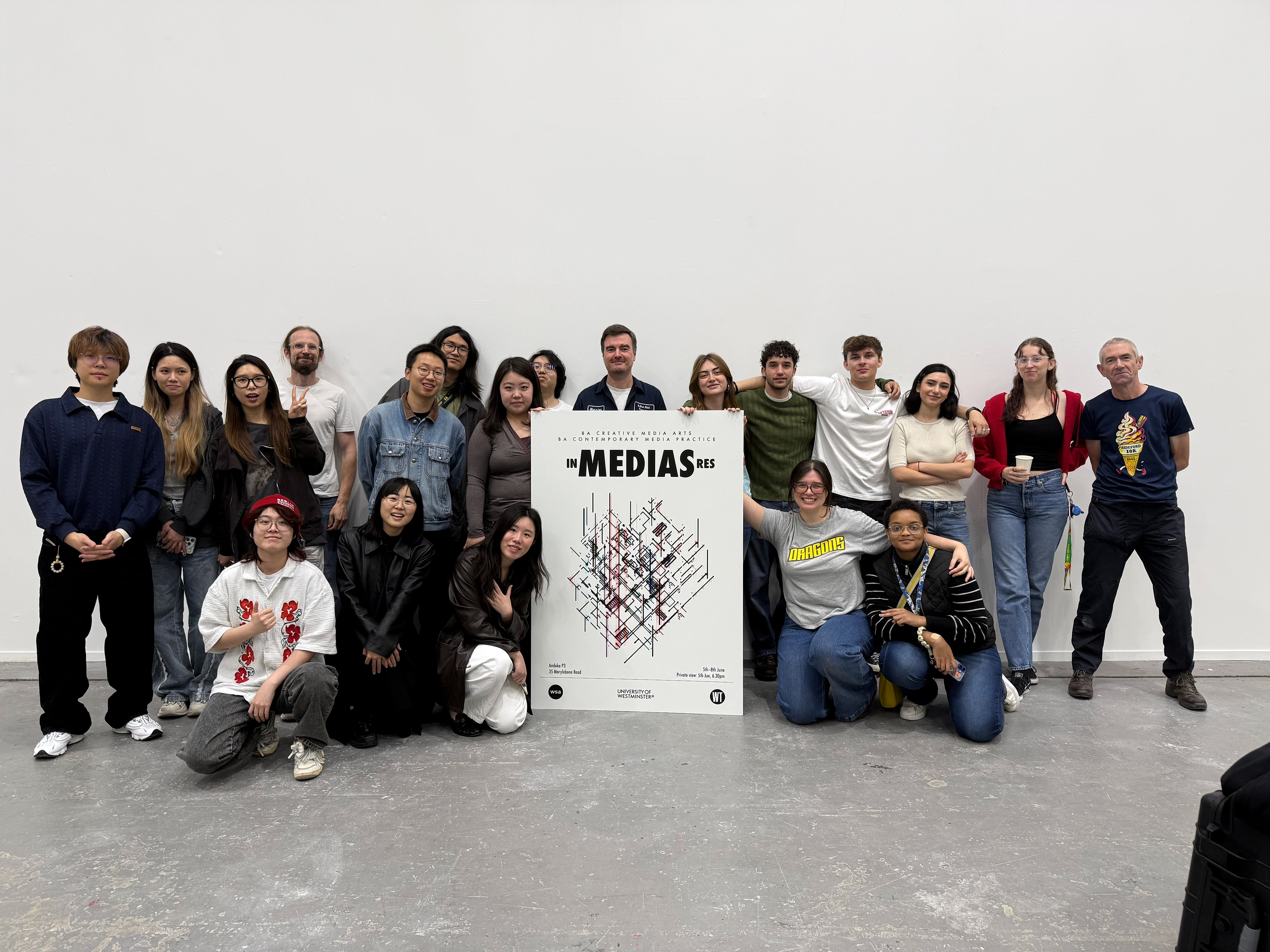
The project also reinforced the importance of sound, not only as a narrative device, but also as utterly essential for audience comprehension. Through ADR, Foley recording, and layered sound design, it became increasingly clear that audio often determines the emotional believability of a scene more than visuals alone. The combination of distorted ambience, fragmented dialogue, and recurring musical motifs became essential in reinforcing the unstable psychological perspective of the film. At this point it would be remiss of me to not also mention the exceptional work from both Rod and Ellie, without whom this project would likely look very different and sound significantly worse! They were invaluable in shaping the audience's experience in ways the visuals alone never could. In the same vein, Vanya, without whom, most of the pub would've been pretty dark; Callum and Destiny for their support, set transportation, and just generally putting up with us; and Natalie, Summer, and Taylor, who not only trekked across Kent at the crack of dawn for us, but also braved the windswept sub-zero temperatures of the early-March 5am beachfront. As a university project, this would also not have been possible without Jane's expert guidance, advice, and roadmapping, leading us towards an attainable albeit ambitious goal. Equally, Zak, Chris, Julie, Jonny, and Johnny were crucial, with pre- and post-production guidance, and in helping us set up our section of In Media Res (not to mention Johnny and Eliana's extremely fast-paced help in getting catalogues ready to print within 24 hours). More than anything, Sunspots reaffirmed my love of psychologically driven visual storytelling and experimental cinematic techniques — I want the film to leave audiences with the same uncertainty that defines Elias' experience: unsure of what is memory, what is reality, and what might imply be wishful thinking. Sunspots also reminded me that filmmaking is rarely about executing a plan exactly as imagined. Films have a tendency to reveal themselves gradually, shaped by circumstance, collaboration, mistakes, and discovery. Looking back, many of the moments that now define Sunspots emerged from uncertainty rather than certainty.
If there is a lasting impression from the project, it is that experimentation and collaboration are not obstacles to a clear creative vision, but often the very things that allow it to emerge.